
Get My Free Room-by-Room Review
7 Inexpensive Ways to Get Your Home "Market-Ready" in 2026
Preparing your home for sale doesn’t have to mean a $50,000 kitchen remodel. In fact, in today’s market, many buyers are looking for a "clean canvas" rather than someone else’s expensive custom choices. If you want to maximize your return on investment (ROI) without breaking the bank, focus on these high-impact, low-cost updates.
1. The Power of "Aggressive" Decluttering
The cheapest way to make your home look bigger is to remove what’s in it. In 2026, the "minimalist luxury" aesthetic is a major draw.
-
The Rule of Thirds: Aim to remove one-third of your belongings. Clear off kitchen counters, thin out bookshelves, and empty closets until they are only 50-60% full.
-
Storage Matters: Buyers will open your closets. If they see a packed, disorganized space, they assume the house lacks storage. Neatly organized bins can make a small closet look like a selling point.
2. Deep Clean Like a Professional
A "sparkling clean" home signals to buyers that the property has been well-maintained. If you don't want to hire a pro, focus on the details that often get missed:
-
Baseboards and Vents: Dust and grime here are immediate red flags.
-
Windows: Wash them inside and out. It increases natural light, making rooms feel larger and more cheerful.
-
Neutralize Smells: Avoid heavy candles which can look like you’re hiding something. Instead, use a deep-cleaning carpet steamer to remove odors at the source.
3. Paint: The Ultimate ROI
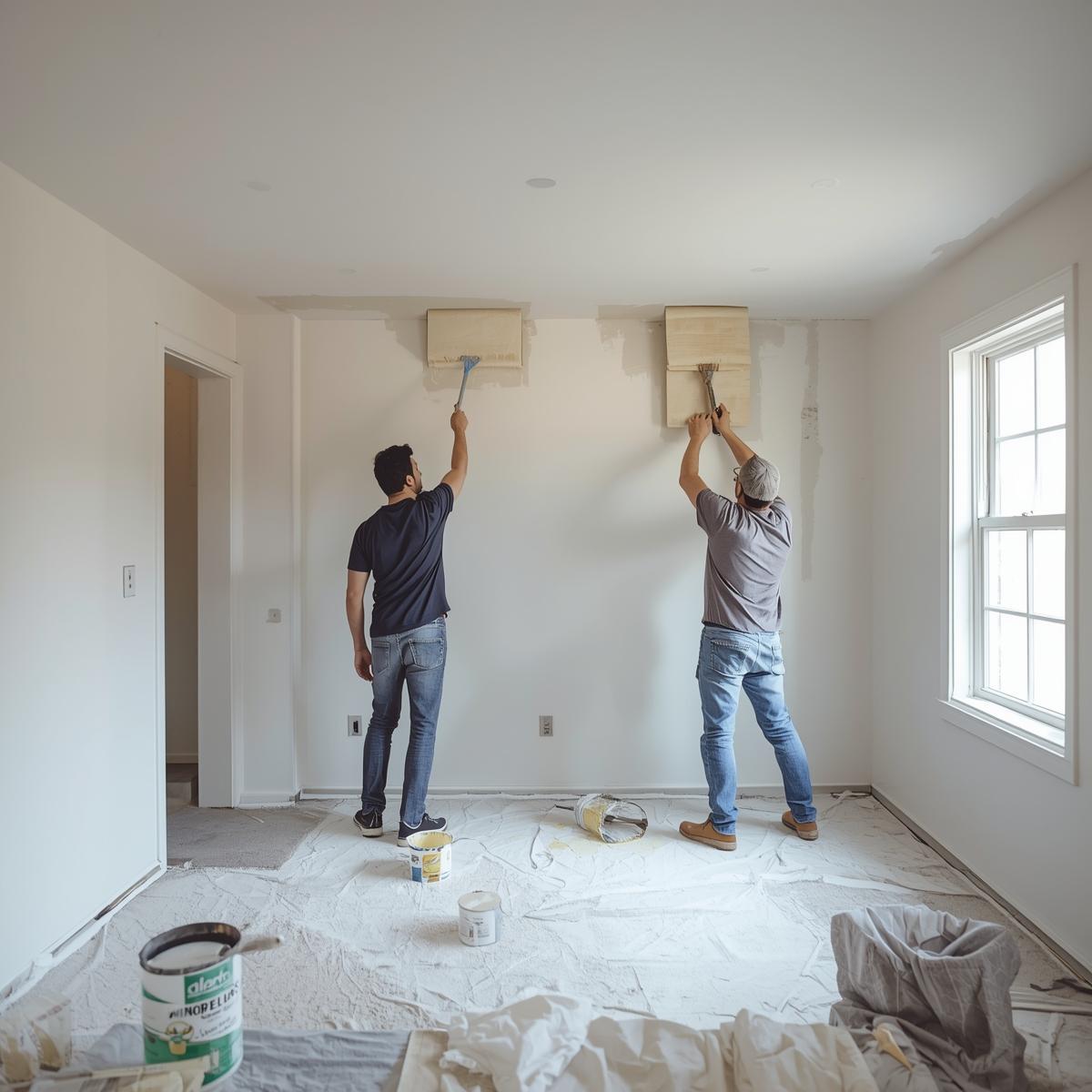
A fresh coat of paint is widely considered the best ROI home improvement.
-
Stay Neutral: Use warm whites, creams, or light "greige." These colors make spaces feel open and allow buyers to envision their own furniture.
-
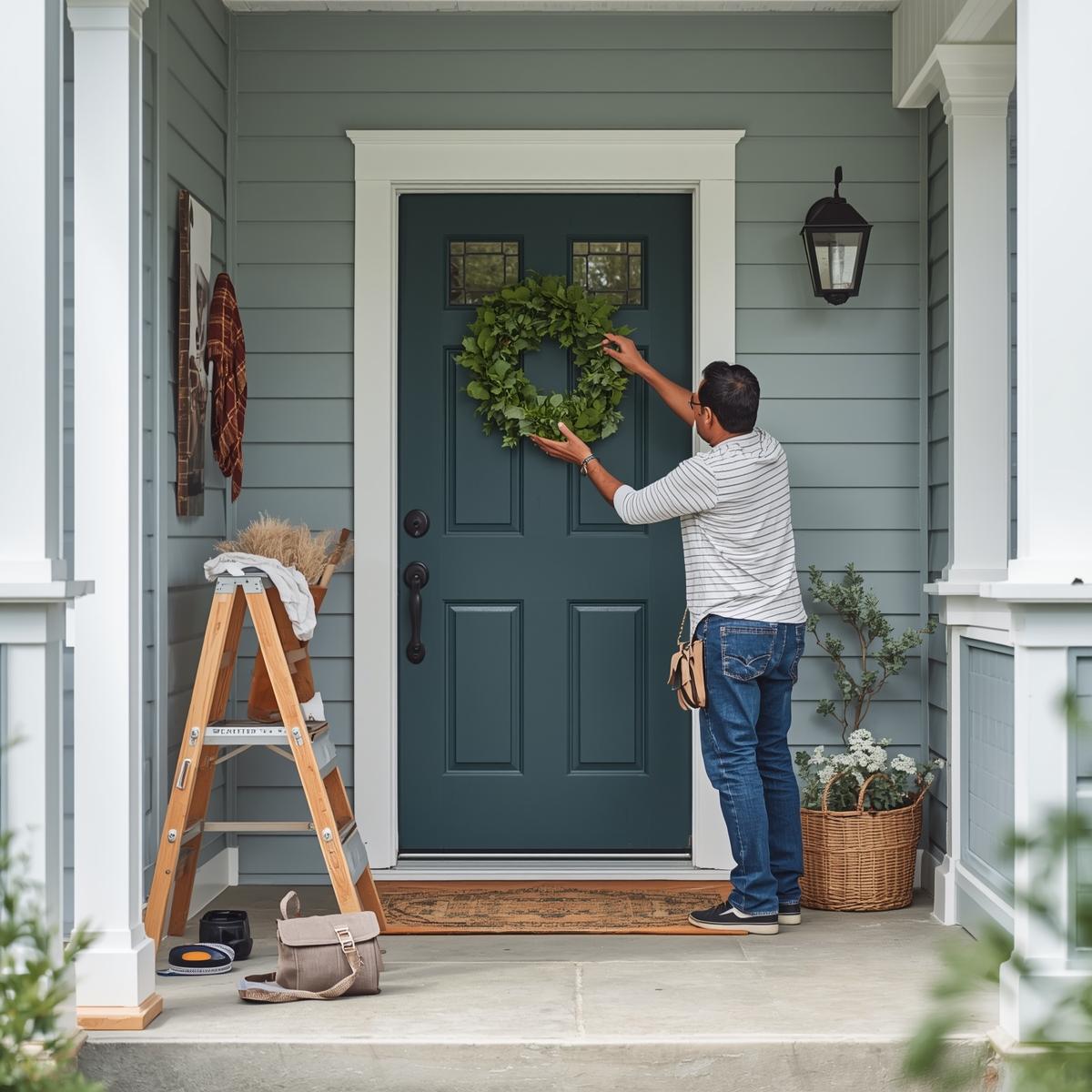
The Front Door: A freshly painted front door (think classic black or a sophisticated deep blue) can boost curb appeal instantly for the price of a single gallon of paint.
4. Swap the "Jewelry" (Hardware & Fixtures)
Old, tarnished brass handles or dated 90s light fixtures can make a whole room feel ancient.
-
Kitchen & Bath: Replacing cabinet pulls and faucets with modern matte black or brushed nickel finishes is a DIY task that costs under $200 but makes the space look "renovated."
-
Switch Plates: Replace yellowed or mismatched outlet covers with crisp white, modern plates. It’s a tiny detail that creates a sense of "newness
5. Boost Curb Appeal for Under $100
First impressions happen at the curb. You don't need a professional landscaper to win over a buyer.
-
Fresh Mulch: A few bags of dark mulch in your flower beds provide an instant "pop."
-
Edge the Lawn: A clean, sharp line between your grass and the sidewalk makes the yard look professionally cared for.
-
New House Numbers: Modern, easy-to-read numbers add a touch of contemporary style for about $20.
6. Light it Up
Dark corners make a house feel small and depressing.
-
Match Your Bulbs: Ensure every light in the house has the same "color temperature" (Soft White or Daylight).
-
Increase Wattage: Switch to higher-wattage LED bulbs (within your fixture's safety limits) to brighten up dim hallways or basements.
7. Minor Repairs, Major Confidence
Buyers are often looking for reasons to "nickel and dime" an offer. Don't give them an excuse.
-
The "Handyman Day": Spend one Saturday fixing the leaky faucet, the squeaky door, and the loose floorboard. These small fixes prevent a buyer from wondering, "If they didn't fix the faucet, what else is broken?"
The Bottom Line: You don't need a massive budget to stand out in the NJ real estate market. By focusing on cleanliness, light, and neutral aesthetics, you can make your home irresistible to the widest pool of buyers.
Ready to see how your home stacks up? I can provide a complimentary "Room-by-Room" review to tell you exactly which small fixes will net you the highest price in today's market.
-
-
-
-

Want a Professional Second Opinion?
 What’s Driving the Move Toward a Buyer’s Market?
Realtor.com’s latest analysis of the 50 largest U.S. metros shows that 18 markets now have more than six months of housing supply, the threshold that signals a buyer’s market. Months of supply measures how long it would take for all current listings to sell at the current pace – and the higher the number, the more negotiating power buyers gain.
A few standout metros include:
- Miami, FL – 11.5 months of supply
- Austin, TX – 10.5 months
- Orlando, FL – 8.2 months
- Tampa, FL – 7.9 months
- New York City – 7.7 months
These markets are seeing homes sit longer, more price reductions, and sellers who are increasingly open to concessions.
Why This Matters for South Jersey Buyers
Even though South Jersey isn’t on the list of metros with extreme inventory surges, national trends often trickle into our region with a slight delay. Here’s what local buyers should take away:
1. More Leverage Is Coming
As more markets soften, sellers nationwide are adjusting expectations. That mindset shift often spreads – meaning South Jersey buyers may soon see:
- More price flexibility
- More seller concessions
- More room to negotiate repairs or closing costs
2. Rising Inventory Elsewhere Can Ease Competition Here
When buyers have more options in major metros, it reduces pressure on secondary markets. That can help stabilize prices and reduce bidding‑war intensity.
3. Interest Rate Buydowns Are Back on the Table
Agents in buyer‑heavy markets report sellers offering concessions like:
- Temporary or permanent rate buydowns
- Closing cost credits
- HOA fee contributions These strategies can dramatically improve affordability – and they’re becoming more common everywhere.
-
What Sellers in South Jersey Should Know
A shifting national landscape doesn’t mean doom for sellers – but it does mean strategy matters more than ever.
1. Pricing Must Be Realistic
In markets like Miami and Austin, overpriced homes are sitting while well‑priced, move‑in‑ready homes still move quickly. The same pattern applies here: buyers are willing to pay for value, but they’re no longer rushing into inflated prices.
2. Presentation Is Everything
Turnkey homes continue to command top dollar. If you’re selling in 2026, small improvements – paint, lighting, landscaping – can make a measurable difference.
3. Expect More Negotiation
Buyers are becoming more assertive, and sellers who stay flexible will win. That may include:
- Covering part of the buyer’s closing costs
- Offering a home warranty
- Making repairs upfront
Is South Jersey Becoming a Buyer’s Market?
Not yet – but the indicators are shifting.
South Jersey tends to follow national trends with a lag, and as more metros transition into buyer‑friendly territory, our region is likely to see:
- Slightly longer days on market
- More inventory entering the spring and summer seasons
- A more balanced negotiation environment
For buyers who felt squeezed over the past few years, 2026 may finally bring breathing room.
What This Means for You
Whether you’re buying or selling, the key is timing and strategy.
If you’re a buyer:
- Get pre‑approved early
- Watch for price reductions
- Don’t be afraid to negotiate – concessions are back
- Be ready to move when the right home appears
If you’re a seller:
- Price strategically from day one
- Make your home stand out with strong presentation
- Be open to reasonable concessions
- Work with an agent who understands shifting market dynamics
Thinking About Making a Move in 2026?
The market is changing – and having the right guidance matters more than ever. If you want a personalized breakdown of what these national trends mean for your neighborhood, I’m here to help.
You can explore listings, market data, and buyer resources anytime at jakerealestateacnj.com.
