
Honoring Dr. Martin Luther King Jr.
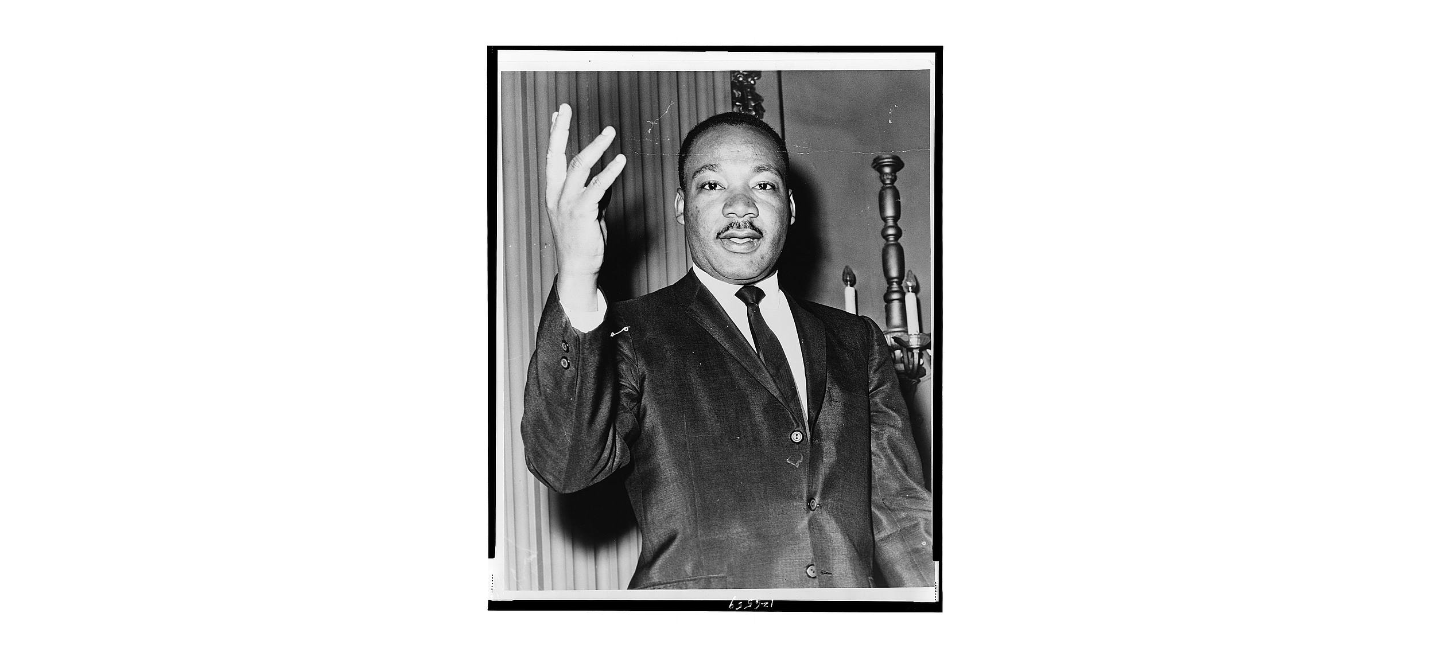
Every year on MLK Day, we pause to honor Dr. Martin Luther King Jr.—a leader whose vision for equality reshaped every corner of American life. One of the most profound and lasting impacts of the Civil Rights Movement is on housing. The way we buy, sell, rent, and own homes today is directly tied to the fight for civil rights.
For real estate professionals, this day is more than a moment of reflection—it’s a reminder that our industry exists on a foundation built by those who demanded fairness, dignity, and equal opportunity.
🏡 Before Civil Rights: Housing Was Not Equal
Prior to the Civil Rights Movement, discriminatory practices were widespread:
• Redlining
• Racial covenants
• Denial of loans based on race
• Segregated neighborhoods
• Unequal access to property ownership
These practices weren’t just social norms—they were often legal and deeply embedded in the real estate system.
✊ The Civil Rights Act of 1866: The First Step Toward Fair Housing
The Civil Rights Act of 1866 was the first federal law to guarantee that all citizens—regardless of race—had the same rights to inherit, purchase, lease, sell, hold, and convey property.
Although groundbreaking, it wasn’t strongly enforced for nearly a century. Still, it laid the legal foundation for everything that came later.
🏛️ The Civil Rights Movement → The Fair Housing Act of 1968
Dr. King’s leadership and the national demand for equality pushed housing discrimination into the spotlight. After his assassination, Congress passed the Fair Housing Act of 1968, a defining moment in real estate history.
This law made it illegal to discriminate in housing based on:
• Race
• Color
• National origin
• Religion
Later amendments added protections for sex, disability, and familial status.
The Fair Housing Act fundamentally changed the real estate industry by:
• Ending legal segregation in housing
• Opening mortgage access to minority buyers
• Requiring equal treatment in advertising, lending, and sales
• Creating accountability for discriminatory practices
• Establishing fair housing enforcement mechanisms
🌆 How Civil Rights Shaped Modern Real Estate
Today’s real estate landscape—especially in diverse communities like South Jersey—is a direct result of the Civil Rights Movement’s victories.
1. Equal Access to Homeownership
Minority families gained the legal right to buy in any neighborhood, pursue financing, and build generational wealth.
2. Professional Standards for Agents
Fair housing compliance is now a core part of licensing, ethics, and daily practice for every real estate agent.
3. Diverse, Inclusive Communities
Urban development and community planning shifted toward more equitable access and opportunity, influenced by civil rights reforms.
4. Economic Empowerment
Stories like Bernard Garrett—who built a real estate empire despite Jim Crow barriers—highlight how civil rights opened doors for minority entrepreneurs in real estate and banking.
🕊️ Why MLK Day Matters in Real Estate
Dr. King believed that fair housing was essential to achieving true equality. Access to a safe home, a good neighborhood, and the chance to build wealth is a cornerstone of the American Dream.
As real estate professionals, we carry that legacy forward every time we:
• Treat every client with fairness
• Advocate for equal access
• Educate buyers and sellers
• Promote diverse, thriving communities
MLK Day is a reminder that our work is part of something bigger—helping families find a place where they can grow, thrive, and build a future.
✨ Closing Thought
The Civil Rights Movement didn’t just change laws—it changed lives. It reshaped the real estate industry into one that strives for fairness, opportunity, and dignity for all. As we honor Dr. King today, we also recommit ourselves to upholding the values that make homeownership accessible and equitable.
